Biodiversity in Austria
Natural areas and habitats for plants and animals
Introduction
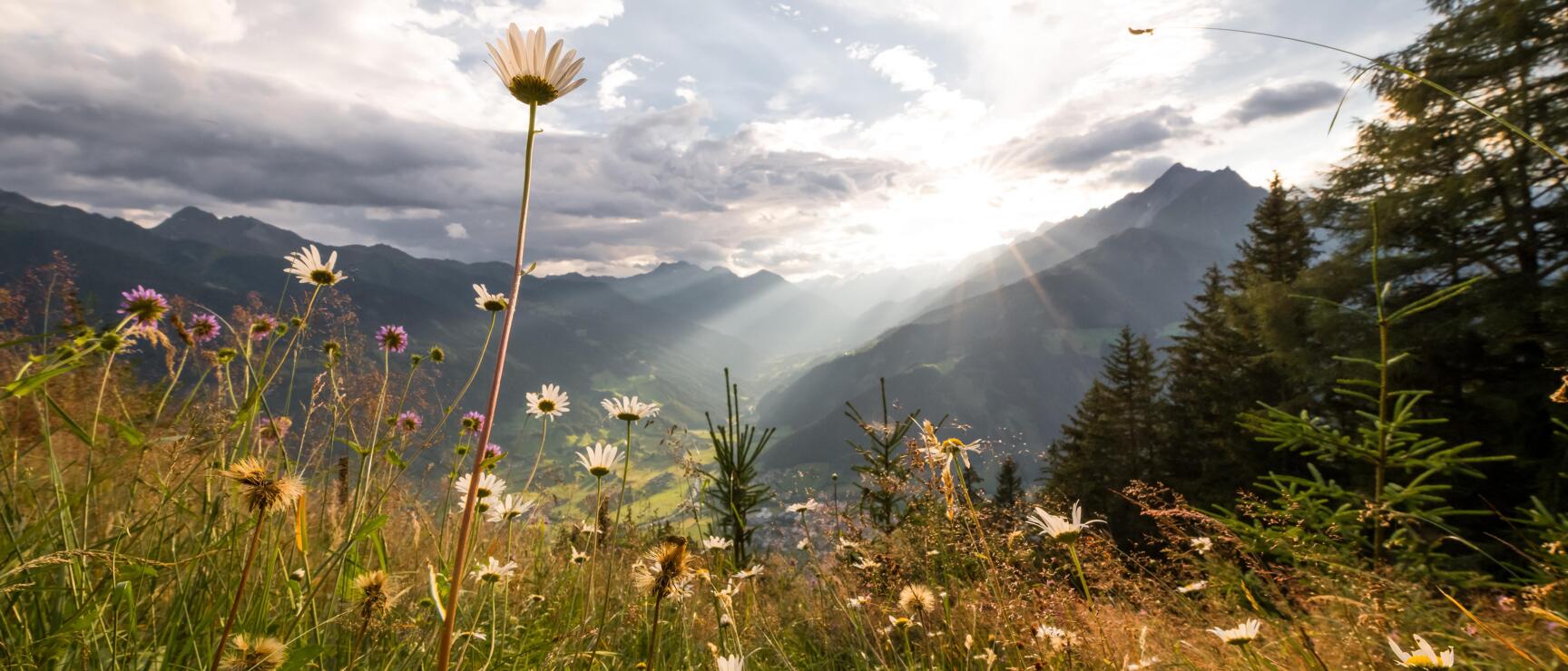
Biodiversity in Austria spans a range of landscapes — from the Alps and forests to moorland, rivers and lakes. Many of these areas provide habitats for plants and animals and define the character of their regions.
National parks, protected areas and boglands sit alongside Alpine meadows, forests and waterways. Hiking and exploring Austria brings these different habitats within close reach. Each region tells its own story, shaped by mountains, water and cultural landscapes.
Habitats, protected areas and species
Regions across Austria work with a range of approaches — including conservation programmes, habitat restoration and visitor management in selected natural areas.Fauna and flora in Austria
Biodiversity on the water
Biodiversity in the forest and in the mountains
National parks in Austria
Austria's habitats and species
Tips for sensitive natural areas
Stay on marked paths and avoid entering sensitive habitats such as moorland and wetlands.
Observe wildlife and plants from a distance, and take nothing from nature — including stones.
Enjoy regional and seasonal produce.
Take your litter home: everything you bring in, take back out.
Many regions can be explored by train, bus, bike or on foot.
Join a guided nature walk or a citizen science project, such as bird or amphibian spotting.
Respect the rules in forests and at lakes: no open fires outside designated areas.