Altaussee and the Ausseerland-Salzkammergut
Embrace the alpine lifestyle between lakes and mountains
Introduction
Altaussee in the Styrian Salzkammergut is known as the ‘inkwell of literature’, attracting writers for generations. Hugo von Hofmannsthal first came here for a summer retreat in 1892, drawn by the spa town’s healthy mountain climate. He was followed by Egon Friedell, Friedrich Torberg and Arthur Schnitzler. Author Barbara Frischmuth grew up by Lake Altaussee.
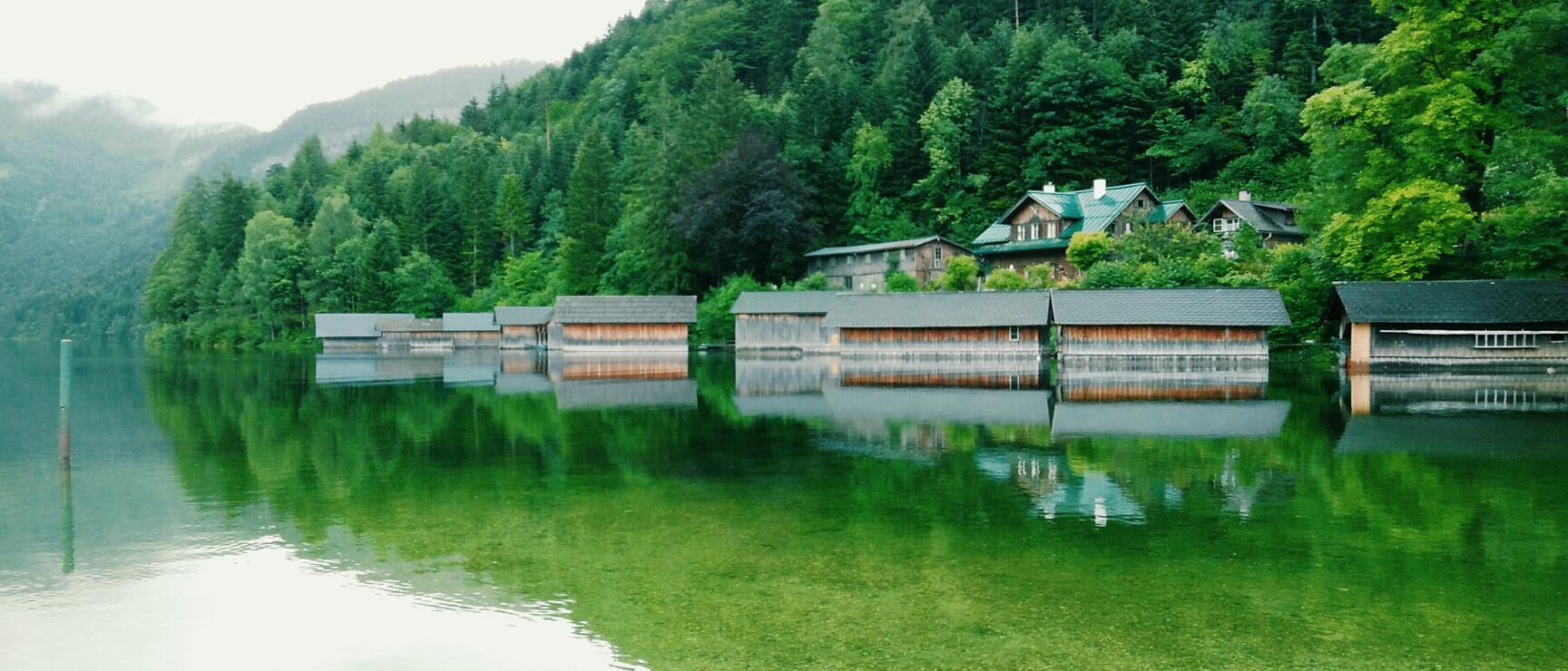
Austrian writer Alfred Komarek, who was raised in the Ausseerland region, believed the landscape itself was the reason. And it is easy to see why: walking around Lake Altaussee, enjoying a boat trip or cycling through the area is calm, restorative and opens up new perspectives. The rocks at Seewiese, the forests and the peaks of Loser and Trisselwand are reflected in the lake, shaping the scenery. Alfred Komarek loved this beauty, where, as he said, countless stories emerge. One simply needs ears to hear them – and the talent to write them down. His memorable conclusion: ‘In the end, it is always nature that inspires people to become artists.’
Enjoy discounts and all-inclusive offers from attractions to boat tours during your stay with Ausseerland's and Salzkammergut's guest cards.
Meet the Altausseerland-Salzkammergut
Top highlights
Activities and excursions in Ausseerland-Salzkammergut
Top events
Altaussee is a landscape that embraces you, but never restricts you. Creative people find this appealing; it inspires them to come up with new ideas.
Alfred Komarek (1945-2024), Austrian author
Recipes
Unique places to stay
Enjoy regional produce in the Ausseerland
In Styria's ‘larder of fine foods’ – especially in the Ausseerland region – shopping and dining locally comes naturally. Farm shops, speciality food stores, bakeries, fisheries and farmers’ markets offer a wide range of regional delicacies, while the Genussland map helps visitors find their way.
Those who shop locally …
… support regional businesses and jobs
… can help reduce emissions through shorter transport routes
… can reduce packaging waste
… choose seasonal products
… gain insight into the origin and production of food