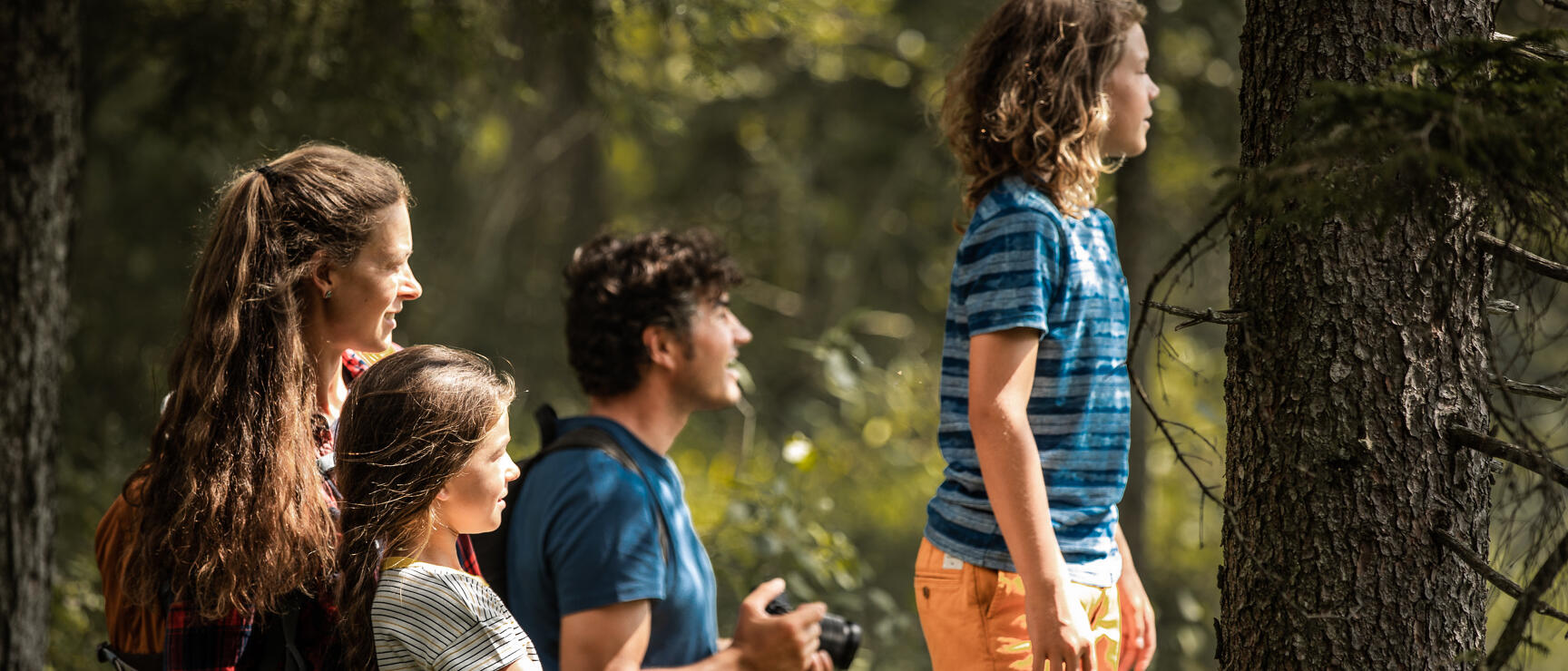
Hiking in the woods, family holidays, Altaussee
  1. Homepage
  2. Planning
  3. Sustainable Travel in Austria

Sustainable Travel in Austria
Tips for car-less holidays, certified eco-friendly accommodation, and slow travel

Many people associate sustainable holidays with car-free travel, certified accommodation and barrier-free facilities. Austria offers many options.

Sustainable travel can take many forms, from arriving by train or bus to staying in eco-certified hotels, enjoying a car-free holiday or choosing accessible travel options. People exploring the topic often come across slow travel, an approach that focuses on spending longer in one place and getting to know a region more deeply.

Austria offers a range of opportunities for this type of travel. Many destinations are connected to the rail network and can be reached locally by public transport. In numerous regions, shuttle services, cycle paths and mountain railways further expand mobility options. Many accommodation providers also hold certifications such as the Austrian Ecolabel.

These ways of travelling can be combined with nature and cultural experiences, whether hiking or cycling in the mountains, on alpine pastures, by the water or in the forest. Austria is home to numerous protected areas, including national parks, nature parks and biosphere parks. Museums with inclusive programmes and regional cultural events add further variety.

Tips and information on sustainable travel

Austria's most important certificates

Austrian Eco-Label

Accommodation awarded the Austrian Ecolabel meets defined standards for energy efficiency, mobility, resource management and regional sourcing.

EU Eco-Label

This Europe-wide environmental quality label for holidays and accommodation recognises hotels and other accommodation providers that meet specified criteria in areas such as energy, water and environmental management.

Green Key

This is an international certification programme for tourism businesses, with criteria covering energy use, water consumption, waste management and operational practices.

BIO HOTELS®

BIO HOTELS® is a network of certified hotels committed to organic products and defined standards, with regular independent inspections.

Austrian Eco-Label for destinations

The Austrian Eco-Label for Destinations is awarded in accordance with defined criteria and takes into account environmental, socio-cultural and economic factors at regional level.

Protected areas & natural landscapes

Austria's protected landscapes

National parks, biosphere parks, nature parks and Natura 2000 sites are among the protected and recreational areas that shape Austria's landscapes. They range from the Thayatal Valley in the north and lake and moorland landscapes to the high mountain regions of the Alps. Austria's six national parks encompass a variety of habitats, from the country's largest national park, Hohe Tauern, to Donau-Auen National Park east of Vienna.

Visitor centres, ranger-led tours, themed trails and viewing points offer plenty of opportunities to explore these landscapes. Along the way, visitors can gain insights into local wildlife, plant life and the distinctive features of individual regions.

Regional approaches and initiatives

Sustainable winter holidays

Many people associate sustainable winter holidays with travelling by train, staying in eco-certified accommodation or making use of local mobility services. Which aspects take priority often depends on the region and individual interests. Here are a few examples:

At Lake Weissensee in Carinthia, Europe's largest prepared natural ice surface, winter hiking trails and travel by train and public transport help shape the winter experience. In Montafon, the Golm adventure mountain combines winter sports with rail and bus connections as well as regional mobility services. Riesneralm in Styria operates its own hydropower plant to supply electricity for its mountain lifts and has received several awards for its energy concept. In Tirol's Kaunertal Nature Park, free ski buses provide access to the ski area.

FAQ

Sustainable travel can encompass many aspects of a holiday, from travelling by train or bus and spending longer in one region to choosing accessible travel options, regional products or accommodation with certifications such as the Austrian Ecolabel or the EU Ecolabel. Cultural events and opportunities to discover local traditions are also often associated with this approach. Which aspects take priority depends on the destination and individual interests.

Slow travel is about taking more time to explore. It encourages longer stays, a deeper connection with a destination and a more relaxed pace of travel. This approach allows visitors to discover local culture, landscapes and regional character in greater depth.

Many guests consider specific criteria when choosing accommodation. These may include certifications such as the Austrian Ecolabel, the EU Ecolabel, Green Key or BIO HOTELS®. These labels are awarded according to defined standards and assess areas such as energy use, water management, mobility and procurement.

For many travellers, regional products, easy access by public transport and local mobility services are also important factors.

Priorities and approaches vary from one hotel to another. Looking at a property's certifications can help visitors better understand its sustainability criteria and areas of focus.

Austria is easy to explore without a car. Many regions can be reached by train and bus, while local mobility services such as shuttle buses, bike hire schemes and guest cards with included transport make it easy to get around. This allows visitors to reach attractions, sights and leisure activities conveniently by public transport.

National parks, biosphere parks, nature parks and Natura 2000 sites are among Austria's protected and recreational areas. They range from river landscapes and lakes to the high mountain regions of the Alps. Austria's six national parks encompass diverse habitats, from Hohe Tauern National Park to Donau-Auen National Park east of Vienna.

Visitor centres, ranger-led tours, themed trails and viewing points offer a variety of ways to explore these landscapes. Along the way, visitors can gain insights into local wildlife, plant life and the distinctive characteristics of different regions.

Sustainable travel can take many forms, depending on the destination and individual interests. Some common examples include:

  • travelling by train or bus

  • staying in accommodation with certifications such as the Austrian Ecolabel, the EU Ecolabel, Green Key or BIO HOTELS®

  • spending longer in one region rather than frequently changing location

  • using public transport, shuttle services or hire bikes during your stay

  • choosing regional products and exploring local cultural experiences

You might also like

Discover the Best of Austria

Sign up for our newsletter and enjoy exclusive access to:

  • Insider tips and itineraries for your next trip to Austria

  • Traditional recipes

  • Must-see events and cultural highlights

  • Interesting stories about Austria