Herbal Experiences in Austria: Hikes, Villages, Hotels
Introduction
In Austria, you'll come across herbs while hiking, in the kitchen, in herb gardens and in villages devoted entirely to them. On guided herb walks, you'll learn which plants grow in the meadows and along the paths, and how they have traditionally been used. Workshops and cooking classes show how herbs are prepared and how their aromas come into their own in a dish.
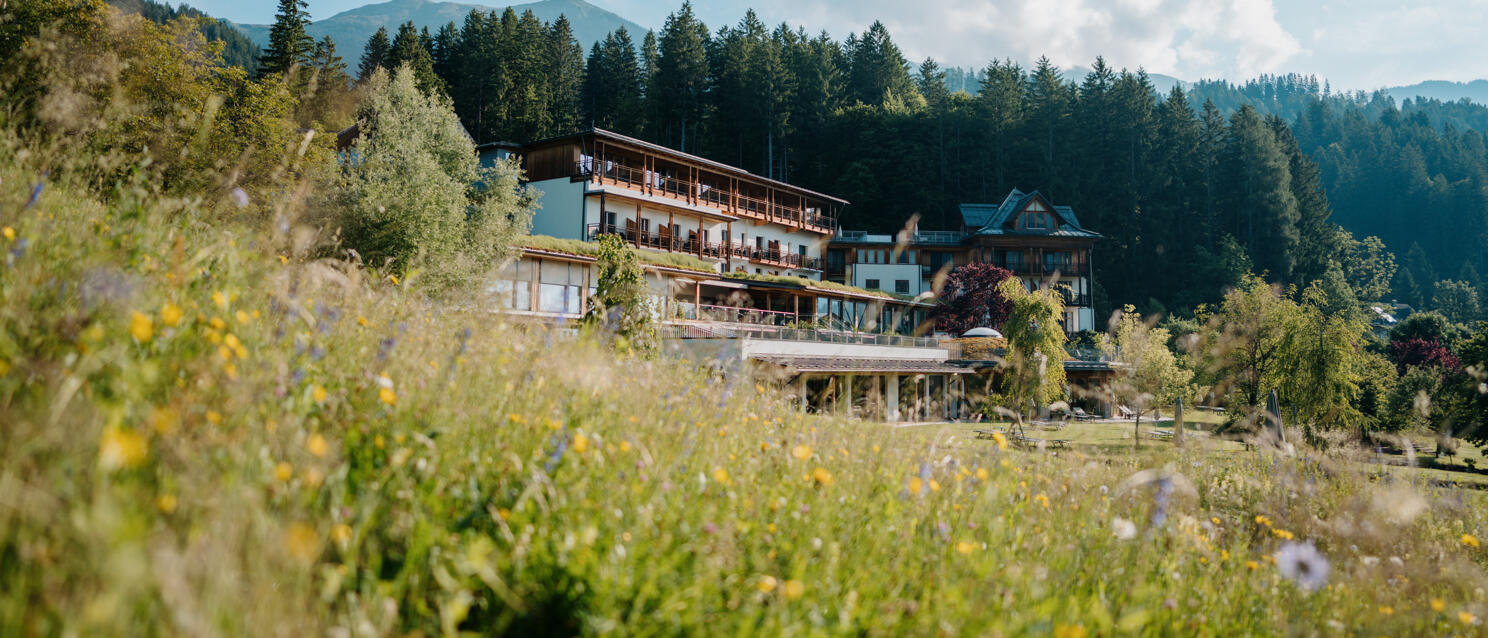
Herb hotels offer herb gardens, herbal treatments and dishes made with herbs. Whole villages are dedicated to the traditional knowledge surrounding these plants – the herb village of Irschen in Carinthia's Drau Valley, for example. From there to the meadows of Vorarlberg and Styria, a herb holiday in Austria can take many different forms – walking, smelling, tasting and learning as you go.
Herb walks and herbal experiences in Austria
Herb walks in Austria lead across meadows, through forests and up to Alpine pastures. Guided tours, herb display gardens, workshops and scented gardens show which plants grow here and how they are used. Along the way, the focus is on wild and culinary herbs, their aromas and the traditional knowledge behind preparing them. Depending on what's on offer, herbs are identified, prepared together or tasted in the kitchen. It adds another dimension to hiking: look a little closer and you'll find a wealth of scents, colours and flavours among the grasses and at the edge of the path – with herb experts on hand to explain what lies behind each plant.
Herb villages in Austria
Herb villages in Austria put herbs and the knowledge surrounding their use centre stage. On guided herb walks, in herb gardens and in workshops, you'll get to know wild, medicinal and culinary herbs, and learn more from herb experts about how they are prepared and traditionally used. Scented gardens and herbal cooking reveal further sides to the world of plants. Herbs turn up not only in meadows and gardens, but also in cooking, in tastings and in conversation with people who have worked with them for many years and pass their knowledge on. It's all about smelling, tasting and looking more closely – and discovering plants you might otherwise have walked straight past.
Herb hotels in Austria
Herb hotels in Austria weave herbs into your stay in different ways: in the kitchen, in herb gardens, in spa treatments or in homemade care products. Depending on the property, herbs are grown, processed and used for dishes, teas or treatments. Herbs are also part of the holiday on selected farms: the Vitalhöfe farms, for example, each set their own focus. The result is a range of sensory experiences, from the scent in the garden to herbs on your plate and treatments in the spa.
Herb restaurants and aromatic herbal creations
Used fresh, dried or pickled, herbs have always played an important role in Austrian cooking. Parsley, chives, marjoram and lovage feature in many classic dishes, while wild herbs bring further flavours to the plate. Today's chefs draw on this knowledge and also use herbs in unexpected ways – in sauces and soups, with vegetables, fish and meat, in cheese, desserts and drinks. It isn't always about bold flavour. Often a few leaves, flowers or herb tips are enough to add a new nuance to a dish. Herbal cooking in Austria shows just how versatile the flavours of the garden, forest and meadow can be.
Herbal recipes: Cooking with nature
Wild herbs in Austria
Wild herbs in Austria grow in meadows, along forest edges and at Alpine altitudes. Nettle, watercress, dandelion and yarrow each develop their own characteristic flavours and contain different plant compounds. In Austrian cooking, edible wild herbs are used fresh, dried or processed – in soups, spreads, salads, herb salts and desserts. The range of flavours runs from savoury and bitter to delicate and floral. Wild herbs are popular beyond the kitchen too: they are made into oils, ointments and other herbal products. If you'd like to learn more about the plants, guided herb walks are a good place to start.
Handling wild herbs safely
Not every wild herb is edible, and some plants can be confused with poisonous species. Only pick and use plants you can identify beyond doubt – if in doubt, leave it be. When foraging, take only small amounts and observe regional protection rules.
If you'd like to get to know wild herbs, a guided herb walk with a knowledgeable herb expert is the safest way to do it.
What Austria's wild herbs can do
Why herbs do more than smell and taste good
What we recognise as the scent of mint, thyme or sage serves quite different purposes for the plant. Herbs produce a wide range of what are known as secondary plant compounds, among them essential oils, bitter compounds, tannins, pigments and aromatic substances. Some help keep grazing animals and insects at bay, others attract pollinators or play a part in coping with intense sunlight.
Which compounds a plant produces, and in what quantity, depends on factors such as species, location and stage of growth. Once you know how this works together, you'll see herb meadows differently on a hike – and understand where those intense aromas come from that make herbs so interesting in the kitchen.