Austria's Most Beautiful Places
Introduction
Every year, Austria votes for its most beautiful place as part of the popular TV programme "9 Plätze – 9 Schätze" ("9 Places – 9 Treasures"), with each of the nine provinces putting forward one favourite spot. Here, we've gathered some of the country's most beautiful natural and cultural gems – from past winners to a few more hidden favourites – grouped by the kind of scenery you're after.
The most beautiful places in the Alps
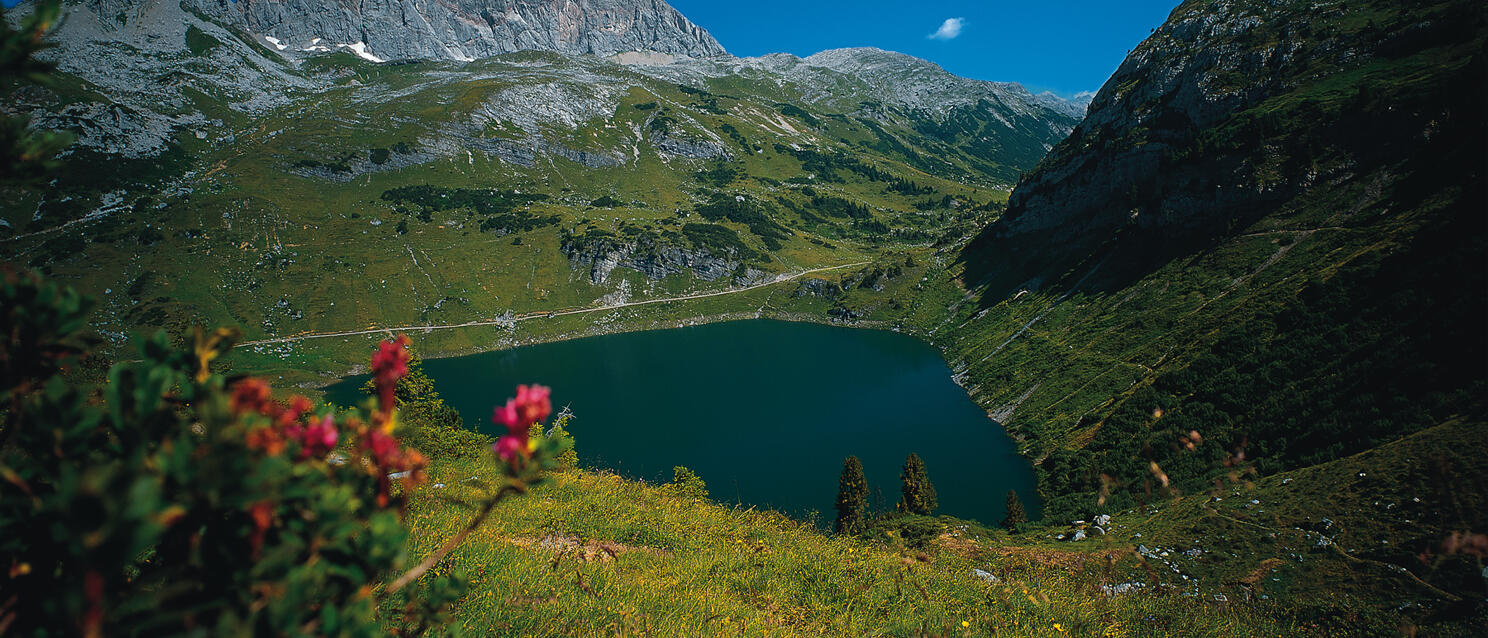
The Alps shape much of Austria and have been part of the country's landscape for thousands of years. Between high peaks, alpine pastures, forests and valleys, this region has developed its own varied scenery and traditions – used differently with the seasons, from hiking, climbing and biking in summer to skiing and cross-country skiing in winter. Travelling from the high mountains in the west to the gentler foothills in the east, the character of the Alps shifts gradually along the way. Wherever you go, the connection to nature is easy to feel: marmots whistle across the meadows, eagles circle overhead, and the clear mountain air says everything about Austria's Alpine way of life.
Natural spectacles in the Alps
The most beautiful places by the Water
Over thousands of years, water and rock have shaped Austria's valleys, gorges and lakes, showing off the country's watery diversity. Today, paths run along lakeshores, through narrow rock gorges and beside rivers. For a more active way to experience the water, you can head out by kayak, take on white-water rafting, or combine a bike ride with a pause by the lake – all set against the country's clean, spring-fed waters.
Natural spectacles by the water
Geological places
Austria's geological wonders show just how differently the country's landscapes have developed. Rock formations, glaciation and terrain have all left their mark, creating striking natural formations found nowhere else. Climate, vegetation and wildlife continue to shape their character today, giving each region its own distinct look and feel.
Natural geological spectacles
Places and sites of cultural heritage
Historic sites preserve the traces of past centuries and stand as witnesses to art and culture. Castles, churches and other sacred buildings, old routes and archaeological sites all show how people once lived, worked and built. Some are recognised as UNESCO World Heritage or preserve intangible cultural traditions, while others offer a glimpse into regional crafts and everyday history – often found off the beaten track, in Austria's smaller towns and villages.
Historic cultural sites
FAQs
UNESCO World Heritage in Austria
UNESCO World Heritage sites represent places of outstanding cultural or natural value, whose preservation is considered a shared responsibility. In Austria, they range from historic old towns and cultural landscapes to feats of engineering and natural heritage sites. Their protected status helps preserve buildings, landscapes and historical evidence for future generations.
At the same time, many of these places remain living spaces – used for everyday life and work, where traditions, crafts and regional practices continue to thrive. UNESCO recognition highlights their international significance and supports efforts in conservation, research and education. In this way, World Heritage sites bring together history, culture and nature through a responsible approach focused on long-term preservation and use.