The Most Beautiful Traditional Festivals
Introduction
When Krampus figures roam the streets in winter, fragrant narcissus floats roll through the Ausseerland in spring, and midsummer bonfires light up the mountains, Austria’s traditions reveal their full diversity. These customs have been deeply rooted for centuries and remain an active part of everyday life. Children are introduced to them from an early age, experiencing how strongly they shape community and identity.
Tradition here is not preserved behind glass, but lived. Attending a festival means stepping right into the heart of it – and experiencing the authenticity, energy and pride that define Austria.
Traditional festivals in every season
Daffodil festival in Ausseerland, Styria
Like an endless sea of white blossoms – that’s how the Ausseerland looks in spring when the star daffodils are in full bloom. At the Narzissenfest (Daffodil Festival) in late May, these flowers take centre stage, as around 3,000 helpers—including children and even holidaymakers—gather to pick them.
Participants in the floral parade use more than 100,000 daffodils to decorate their towering wire sculptures, which they have spent months constructing. The town parade then makes its way to the centre, featuring around 30 intricately handcrafted figures. The intoxicating scent of the blossoms fills the air for both visitors and the jury, who judge the floral sculptures. At midday, brass bands, traditional costume groups, and the daffodil royalty accompany the procession to the lake - a traditional folk festival with deep roots in the traditions of the region.
Summer solstice in the Wachau
The roots of midsummer bonfires date back to pre-Christian times, when the flames were believed to ward off evil. To this day, around 21 June, mountains, lakes and valleys across Austria are lit up by countless fires.
The Wachau offers a particularly striking setting for this tradition: vineyards along the Danube are lined with torches, bonfires are lit, castles illuminated and floating lights drift downstream. As night falls, the fires are ignited, creating a unique atmosphere. The celebrations can be especially well enjoyed from the Wachau Railway or on a Danube boat. The highlight of the evening is the firework display.
Whether at Lake Millstatt in Carinthia, against the backdrop of the Dachstein in the Salzkammergut, or high up in the mountains of Tirol, fires glow across Austria at the summer solstice. From the Pfänder overlooking Lake Constance to Saalfelden Leogang in SalzburgerLand and the Feuerkogel in Upper Austria, this centuries-old tradition comes vividly to life.
Austrian cattle drives
Every year in Austria, farmers, herders and alpine dairymen and women make their way from the valleys up to the mountain pastures with their animals in spring. High up in the Alps, cows, sheep, goats, and horses find lush alpine meadows and herbs that make for particularly nutritious fodder. Nature also benefits from their summer stay: alpine farming plays an important role in maintaining the cultivated landscape, preventing it from becoming overgrown.
From the beginning of September until mid-October, the animals are driven back down to the valley. Adorned with intricately crafted headdresses made of pine branches, flowers and colourful ribbons, they make a striking sight. The sound of cowbells – said to ward off evil spirits – can be heard from afar as they approach the village, where locals and onlookers eagerly await their arrival.
Carnival and Shrovetide traditions
The time of advent brings in the beautifully decorated Christmas markets with mulled wine, craftsmanship and music to get you into that festive mood. After the Christmas holidays come the raucous nights with its mystical traditions and masks, followed by New Years' fireworks and more to bring you good luck for the year ahead.
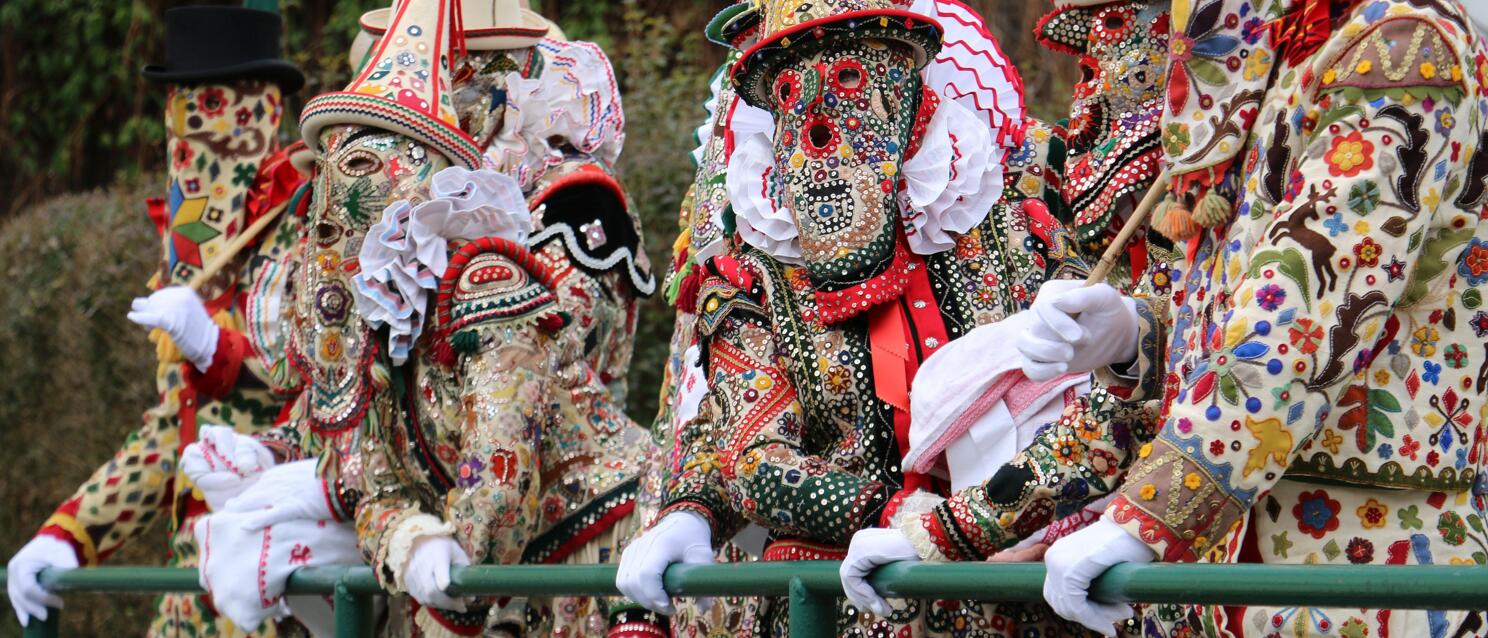
Then the festive season begins: in Austria, Carnival traditionally starts on 11 November at 11:11 and ends on Shrove Tuesday. Parades and lively street celebrations are among the most colourful traditional events in the country. Elaborate costumes and finely crafted masks define the festivities, where good and evil meet in symbolic form. Carnival is also a time of celebration, music and joy. In many places, brass bands, dancing and regional customs shape the festivities. Each region has its own rituals, ranging from lively masked processions to quieter traditions. The result is a vibrant living culture that connects generations and draws visitors right into the action.
One of the highlights is Vienna’s ball season, known for its distinctive atmosphere and elegant setting, making each event truly memorable. And no Carnival would be complete without sweet doughnuts, a seasonal favourite found everywhere at this time of year. From parades to folk festivals and events, the celebrations continue in full swing until Ash Wednesday.
Traditional festivals that bring Austria to life
Austria’s traditional festivals are colourful, atmospheric and brimming with joie de vivre. Here, tradition, music and cuisine come together to create unforgettable moments.FAQ
Why are traditions and customs sustainable?
The preservation of traditions and customs in Austria is deeply intertwined with sustainability. Events like Almabtriebe (cattle drives), traditional festivals, and regional craftsmanship reflect a profound respect for nature and resources. They also promote social sustainability, fostering a shared commitment to maintaining the cultural and natural heritage of the region.
As part of intangible cultural heritage, traditional rituals, customs, and craftsmanship are carefully passed down through generations, ensuring their survival for the future.