Lower Austria in Summer
Holidays with culture, wine along the Danube river, and UNESCO World Heritage

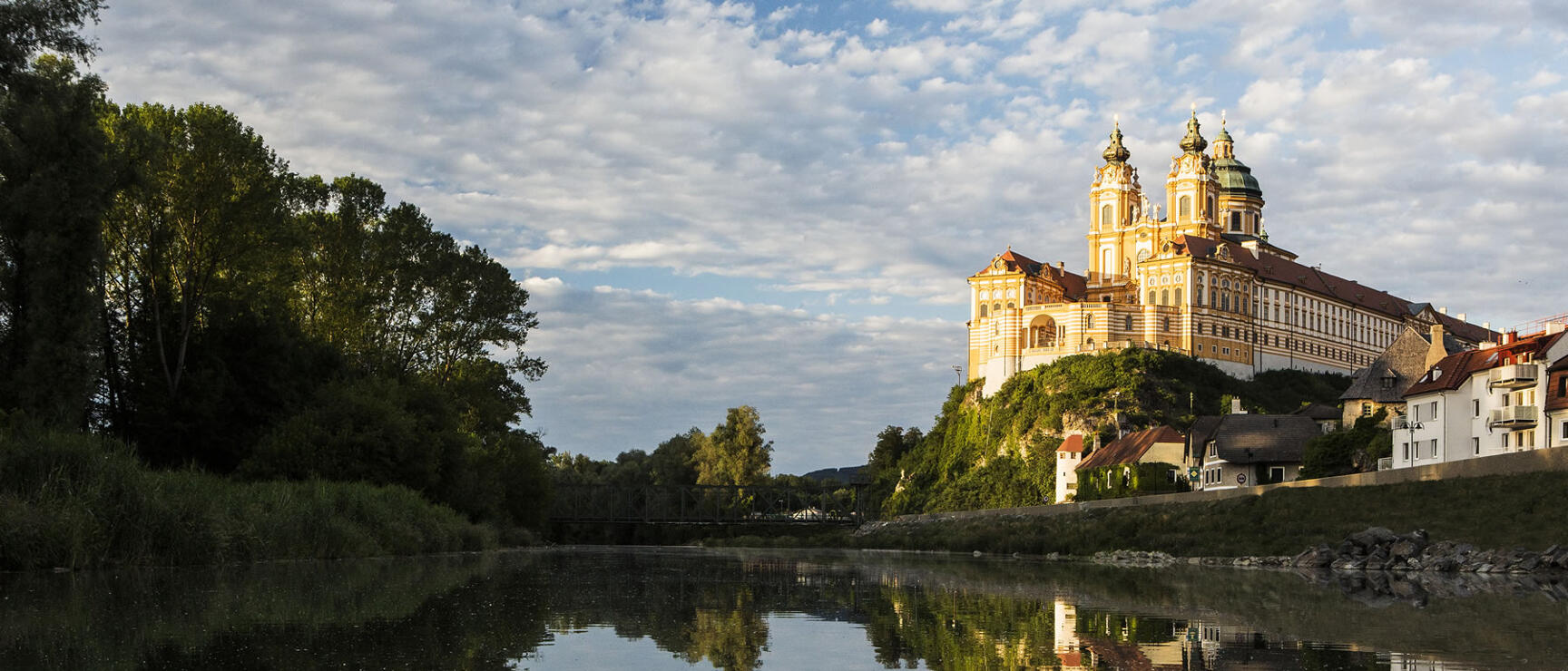
In Lower Austria, culture and nature blend together perfectly. You can explore museums, wine taverns, palaces, castles, forests, and lakes.

Lower Austria, the largest of Austria's provinces, lies in the northeast of the country and is shaped by the Danube, its cultural and natural lifeline. Fields, forests, river valleys and Alpine peaks meet within a relatively small area, creating a landscape of remarkable variety. Between gentle hills and striking mountain ranges lie some of Austria's most important cultural landscapes, including UNESCO World Heritage sites such as the Wachau Valley, the Semmering Railway and the Dürrenstein-Lassingtal Wilderness Area, home to more than 400 hectares of untouched nature.

Lower Austria is also the country's leading wine region. Heurige and traditional wine taverns shape many villages, often located close to castles, palaces and monasteries that reflect the region's rich cultural heritage. At the same time, a lively arts and cultural scene – from contemporary exhibitions to festivals – brings new perspectives to these historic settings.

Life in Lower Austria can be summed up in one word: enjoyment. Visitors often combine hiking and cycling along the Danube or through vineyard landscapes with culinary breaks along the way. Traditional inns, regional cuisine and wine are part of everyday life here – not staged for visitors, but a natural part of local culture. Wine plays a central role: it shapes the landscape, social gatherings and celebrations, and receives special attention during the autumn harvest season.

Quick info about Lower Austria
Capital city:St. Pölten
Area:19.180 km²
Population:approx. 1.72 million (as of 2024)
National parks:2
Nature parks:20
Wellness spas:7

Lower Austria Card:
Art and culture, leisure activities for the whole family, adventure worlds - with the Lower Austria Card there's a lot to experience.

When to visit:
Seasonal highlights can be found here.

Meet Lower Austria

Top highlights

Tours

Excursion destinations in Lower Austria

Regions

Cities and places

Top events

Famous personalities

Lower Austria's inn culture

Where fine food is part of everyday life

Lower Austria is a true culinary treasure trove where good food is simply part of life. Many of the region's finest ingredients grow right here: the famous Wachau apricots and wines, poppy seeds, herbs and spices from the Waldviertel, as well as wine and cider from the regions that take their names from these traditions.

Traditional inn culture holds a particularly important place in Lower Austria. Whether a city inn, village tavern or award-winning restaurant, around 200 establishments carry the distinction 'Gasthaus with Wirtshauskultur'. They preserve classic dishes, create modern interpretations and cook with regional ingredients. Alongside long-standing traditions, there is also room for fresh ideas, innovative recipes and new approaches to the region's inn culture.

Recipes

Unique places to stay

Mindful moments in Lower Austria

Inner sustainability

Slow down instead of rushing. Listen instead of reacting. Lower Austria makes it easy to turn your focus inward. Pilgrimage routes lead through open landscapes, step by step, with no goal other than your own rhythm. As you walk, thoughts begin to settle while the path continues ahead.

In the Vienna Woods, forest bathing replaces speed with awareness. The forest sets the pace, not the calendar. Yoga takes place where the view opens up – on alpine pastures, among vineyards or in quiet cellar lanes. Movement and breath find their balance.

Those seeking silence will find it in monasteries. Simplicity, clear daily rhythms and quiet rituals create space for genuine time out. Moments that linger – calm, honest and surprisingly lasting.

Plant delights with sustainability

The "Noah's Ark" show garden in Schiltern

In the show garden of "Arche Noah" in the Waldviertel, diversity is in full bloom! A guided tour through the idyllic show garden in Schiltern reveals many highlights, with the romantic 18th-century pavilion being just one of them. The garden’s produce, mainly rare varieties of fruits and vegetables, is turned into delicious treats – with the garden kitchen opening every summer. The shop also offers rare seeds and young plants for your garden or balcony.

A great tip for anyone who cares about biodiversity!

FAQ

Lower Austria is Austria’s largest province and is divided into six regions, each distinct in location, culture, and economy:

  • Weinviertel: Known for its vineyards.

  • Waldviertel: Characterised by dense forests.

  • Mostviertel: Known for its apple and pear orchards, and the production of cider.

  • Industrieviertel: The economic heart of Lower Austria, with a strong industrial sector.

  • Vienna Surroundings/Lower Austria Centre: Areas around Vienna offering both residential and recreational space.

  • Danube-March-Thaya Wetlands: River landscapes along the Danube and the rivers March and Thaya.

As Austria’s largest province, with its capital St. Pölten, Lower Austria lies in the northeast along the Danube – a region rich in cultural heritage and natural beauty! The alpine, Pannonian, and northern and southern European influences blend the landscape into a harmonious whole. Farmland, forests, river valleys, and mountain peaks – these contrasting features give Lower Austria its unique character. As Austria’s leading wine-growing region, it is home to cosy "Heurige" wine taverns alongside magnificent castles, fortresses, and monasteries. A vibrant cultural and arts scene brings fresh energy to its historical charm.

Lower Austria stands out for its remarkable diversity. Three UNESCO World Heritage sites – the Wachau Valley, the Semmering Railway and the Dürrenstein-Lassingtal Wilderness Area – bring together culture, history and unspoilt nature. Add to this the region's wine and Heurigen culture, impressive landscapes between the Danube and the Alps, and a rich cultural heritage.

  • Semmering Railway: Over 160 years old, the Semmering Railway regularly runs along the 41-kilometre track from Gloggnitz to Mürzzuschlag. In 1854, it became the world’s first mountain railway and was declared a UNESCO World Heritage Site in 1998.

  • Dürrenstein-Lassingtal Wilderness Area: As the largest remaining virgin forest in the Alps, this wilderness area has been a recognised UNESCO Natural World Heritage Site since 2017. Its protected forests, along with diverse species of wildlife, plants, and fungi, contribute to the preservation of ecosystems.

  • The Wachau: One of the world’s most beautiful river valleys and wine-growing regions, the Wachau was first documented over 1,200 years ago. Economically significant since the early Middle Ages, it remains one of Lower Austria’s most important regions today.

Lower Austria offers a wide range of activities, from hiking, cycling and mountain experiences to cultural discoveries and culinary highlights, as well as nature experiences in nature parks and Alpine landscapes.

Lower Austria’s rich history and strategic location have led to the construction of numerous castles and fortresses over the centuries. These served not only as military strongholds but also as residences, administrative centres, and symbols of power. Today, many of them stand as icons of Lower Austria’s cultural heritage and identity.

First mentioned in 996 AD as "Ostarrîchi," Lower Austria reached its greatest extent as the Archduchy of Austria below the Enns a few centuries later. It was eventually named "Lower Austria" to distinguish it from "Upper Austria" based on the geographical location of the two regions. In 1920, Lower Austria was recognised as a separate province (excluding Vienna).

You might also like

Discover the Best of Austria

Sign up for our newsletter and enjoy exclusive access to:

  • Insider tips and itineraries for your next trip to Austria

  • Traditional recipes

  • Must-see events and cultural highlights

  • Interesting stories about Austria