Waterways in Austria
Nature's wonders: Lakes, waterfalls, gorges and rivers
Introduction
Water has shaped Austria for thousands of years. It carves gorges and ravines, gathers in lakes, flows through valleys and plunges over rock ledges as waterfalls. Today, countless routes bring you close to the water: on foot through gorges, by bike along lakeshores, by kayak on rivers or white-water rafting in the rapids.
At swimming lakes, the day begins with a jump into the water; at waterfalls, you feel the cool spray on your skin; along riverbanks, you cycle at your own pace. Lakes, rivers, waterfalls and gorges show Austria from different angles — sometimes calm, sometimes powerful. The waterways accompany your hikes, cycle tours and day trips, letting you experience this element in all its forms.
The water experience: Excursions and activities
What does water feel like? Sometimes still and clear, sometimes powerful and wild. In Austria, it becomes the stage for memorable experiences — wild swimming, canoeing or kayaking, boat trips, diving, rafting, fishing or walking routes that follow lakes and rivers.Cycling and hiking: Active days at Austria's lakes
Lakes reveal themselves from ever-changing angles on circular routes. Whether on foot, by bike or mountain bike, the trails follow shorelines, wind through forests and lead to viewpoints around Austria's lakes.Austria's largest waterfalls
Waterfalls are among Austria's most striking natural features. Water thunders over rock ledges, collects in pools and gradually reshapes the landscape. Hiking trails and viewpoints in many areas bring you close to the spectacle.Spectacular gorges
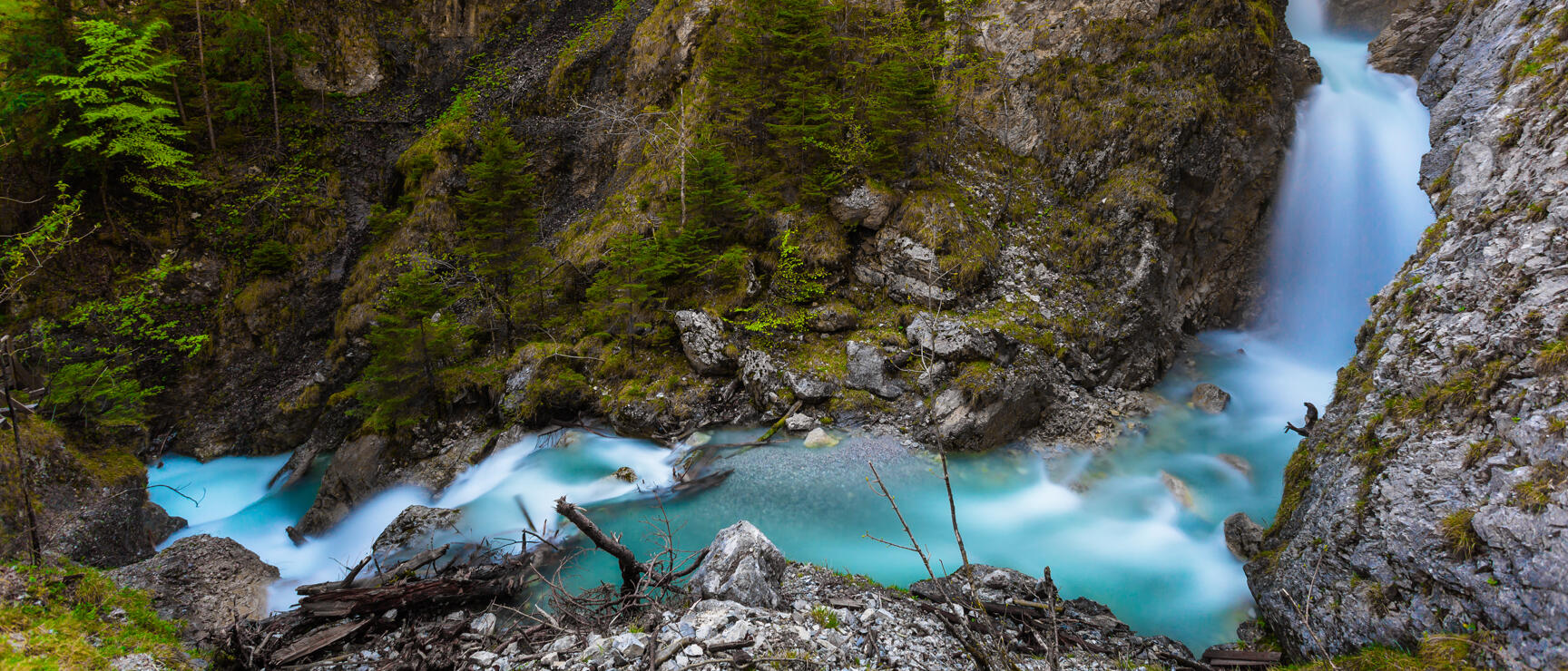
Every gorge in Austria tells its own story – shaped by geological forces over thousands of years and the effects of the weather. These walkable natural wonders feature deep rock-cut ravines, roaring waterfalls and steep cliff faces.Austria's longest rivers
Whether cycling along the water, kayaking or stand-up paddling – Austria’s rivers offer a wide range of experiences. Hiking, swimming and boating add to the diversity of activities these river landscapes provide.More space for rivers
Rivers naturally shift course over time — forming side channels, moving their banks and creating gravel beds. Many of these natural processes were restricted in the past through straightening and engineering works. At a number of rivers in Austria, restoration measures are now being implemented, with the aim of giving waterways more room where possible. These include reconnecting side channels, allowing floodplains to develop and reshaping riverbanks. One flagship project is the restoration of the Liesingbach in Vienna.
Such measures give rivers more space so that water can spread more freely during high flows and the natural dynamics of the waterway can reassert themselves. The result is a variety of current patterns, shallow-water zones and floodplains — all part of the natural character of many river landscapes. Depending on the project, new riverbank paths, viewpoints or access points may also emerge, offering additional ways to experience river landscapes on foot, by bike or from the water.